
-
Back to School with Gifted Weekly

Many schools have already started back to school (shout out to my niece and nephew in Georgia!) but others wait until after Labor Day, such as in New Jersey. Whether back in session or still wrapping up summer vacations and projects, teachers are undoubtedly gearing up to engage their students…
-
Differentiation Part Two: How Gifted Learners Grow

“Really, to me, differentiation is the common sense of saying, if we take on the responsibility of teaching, we accept the responsibility of making sure that every kid learns as well as he or she possibly can.” – Carol Tomlinson (Bell, 2011) As we seek to address the needs of…
-
Can Differentiation Improve Learning for All? Part One: A Short Introduction

While a homogeneous classroom of all gifted learners is antithetical to the pursuit of recognizing gifted potential across ability levels, effective differentiation requires an increase in human and other targeted resources to serve the variety of needs in our general education classrooms. Research indicates that differentiation is necessary to meet…
-
iReady as an Indicator of Giftedness?

Districts have long searched for an online tool to support all assessments. Serving as a diagnostic Swiss knife, the online program should measure mastery of skills, remediate as necessary, challenge where appropriate, and provide fine-tuned data to allow a grade-level team to address learning gaps. For many districts, these tools…
-
3rd Grade in China: A Journalist Shares His Family’s Experience

Differences in elementary schools in China and the U.S., as shared in a New Yorker article. What stood out the most in the Double Education article? The contrasts in time in school, the locus of control, and rigor of content.
-
Addressing the Decline in High Achievers’ NAEP Math and Reading
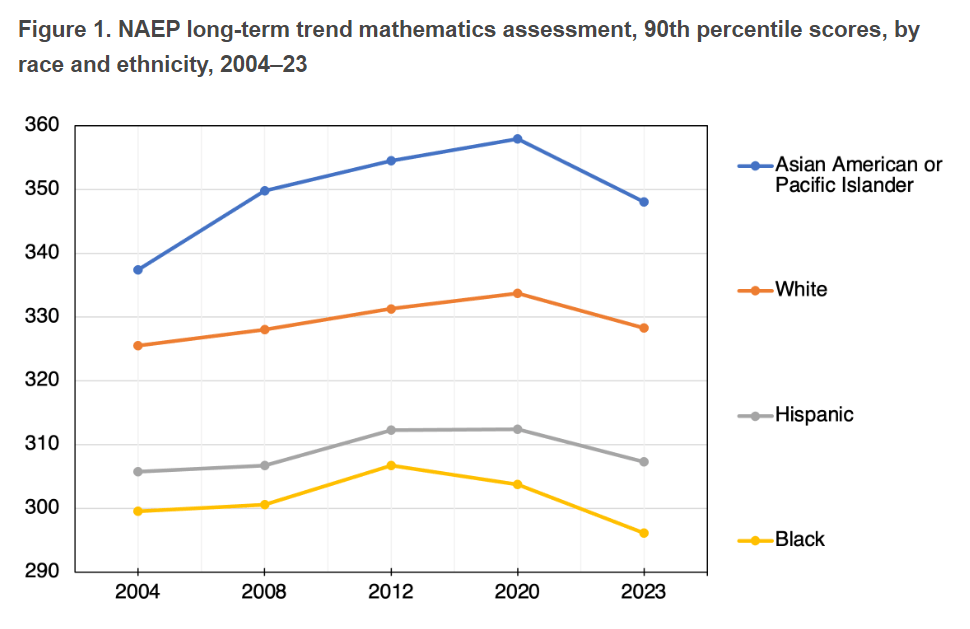
The decline in math skills and reading comprehension is not news, but the specific data reported by the National Center for Education Statistics (NCES) this year should intensify our overall sense of alarm. “The average scores for 13-year-olds declined 4 points in reading and 9 points in mathematics compared to…
-
The Power of Problem Solving in Talent Development
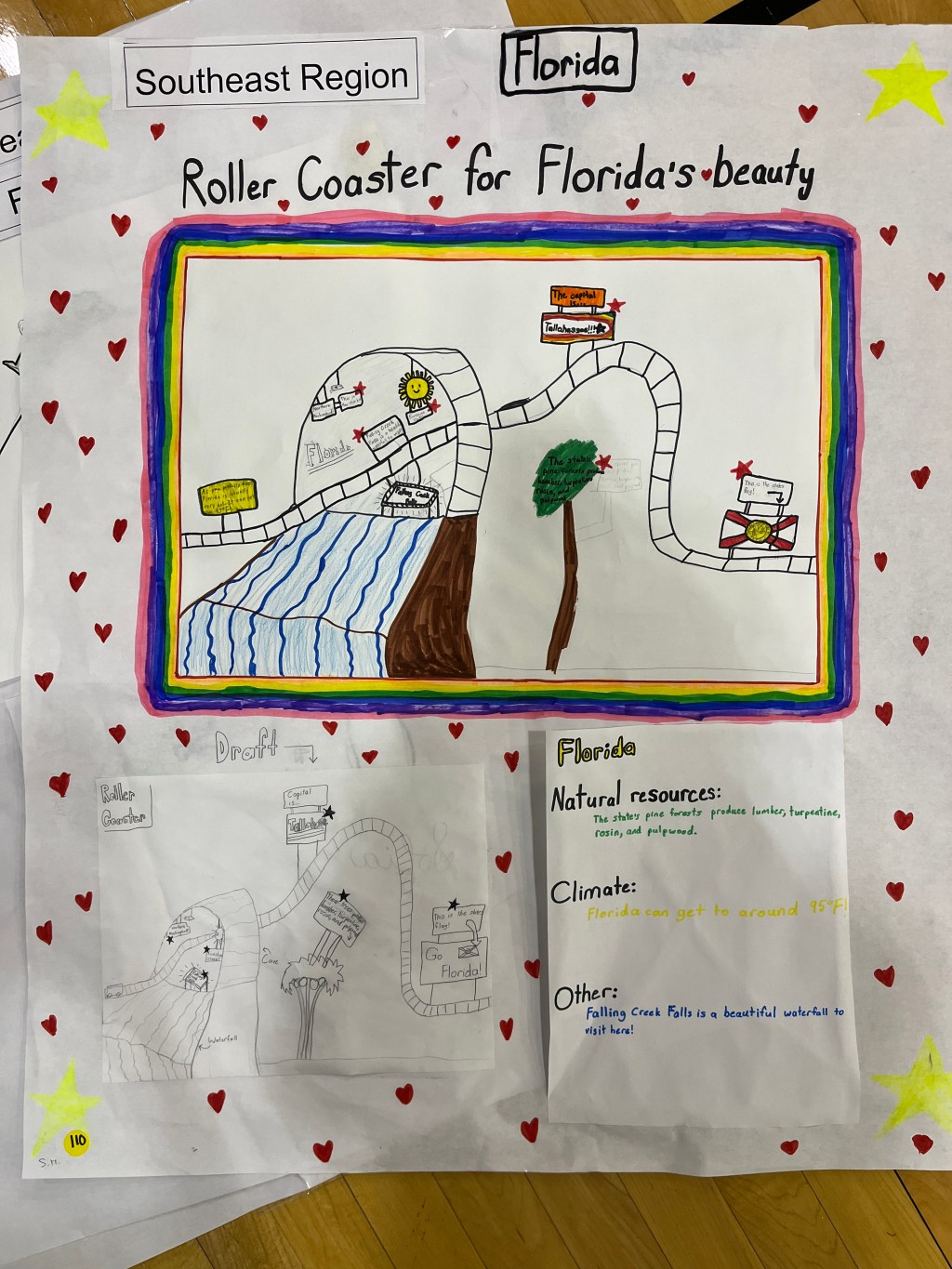
“I think every kid [should have] an opportunity to participate in a program like this or lesson like this, so that they can enhance their opportunity to have higher-level thinking. It allowed students, who otherwise would struggle, to highlight their artistic and creative abilities. I was surprised to see how…
-
Opportunity and Access: Math Acceleration

Recently published research in the July 2023 issue of Gifted Child Quarterly links unequal access, once again, to under-resourced communities. When considering access to accelerated math instruction (Peters & Carter, 2023), namely Algebra in grade 7 and Geometry in grade 8, districts that offer more challenging math courses are not…
-
What Do Schools Mean by Multiple Criteria?

The National Association for Gifted Children recommends the use of multiple measures to identify and support the needs of students with gifted abilities, and many states, including New Jersey, have followed this recommendation. In reviewing the criteria of four districts in Central Jersey, I found the assessments and means of…
 Gifted Weekly