
This past summer, I was fortunate to receive a stipend to cover the cost of attending the Confratute gifted education conference at The University of Connecticut. As part of the requirements for accepting the scholarship, I chose to develop a unit plan for a gifted group of students through the lens of the needs of a 2e student, allowing me to engage in the process of differentiating for that population.
“For many people, the terms twice-exceptional and high abilities occupy opposite poles of a continuum of capabilities. The term twice-exceptional (2e) describes someone whose learning patterns have characteristics on both ends of the scale.” – Baum et. al, 2017. To Be Gifted and Learning Disabled. p. 5.
The misconception that high ability obviates or excludes disability leads to a limitation of the 2e student’s ability to express and reach their fullest potential. The need to recognize both aspects of the 2e student’s learning needs should inform all aspects of their learning environment, but particularly any gifted-specific program they attend.

The need to evaluate a learning experience through the lens of the 2e student was addressed in the research of Susan Baum, who compared three groups in her research: (1) high cognitive ability, (2) learning disabled (LD) and average cognitive ability; and (3) LD and high cognitive ability. Significantly, high-ability students with no LD were recognized as accomplished and creative and felt more confident in their classwork than either of the LD groups. The high-ability, LD students were “the most disruptive and frustrated in school” and felt that school held many “opportunities for failure” (Baum et al., 2020, p. 54). On the other hand, the high-ability LD students also expressed the most interest in extracurricular creative activities of the three groups.
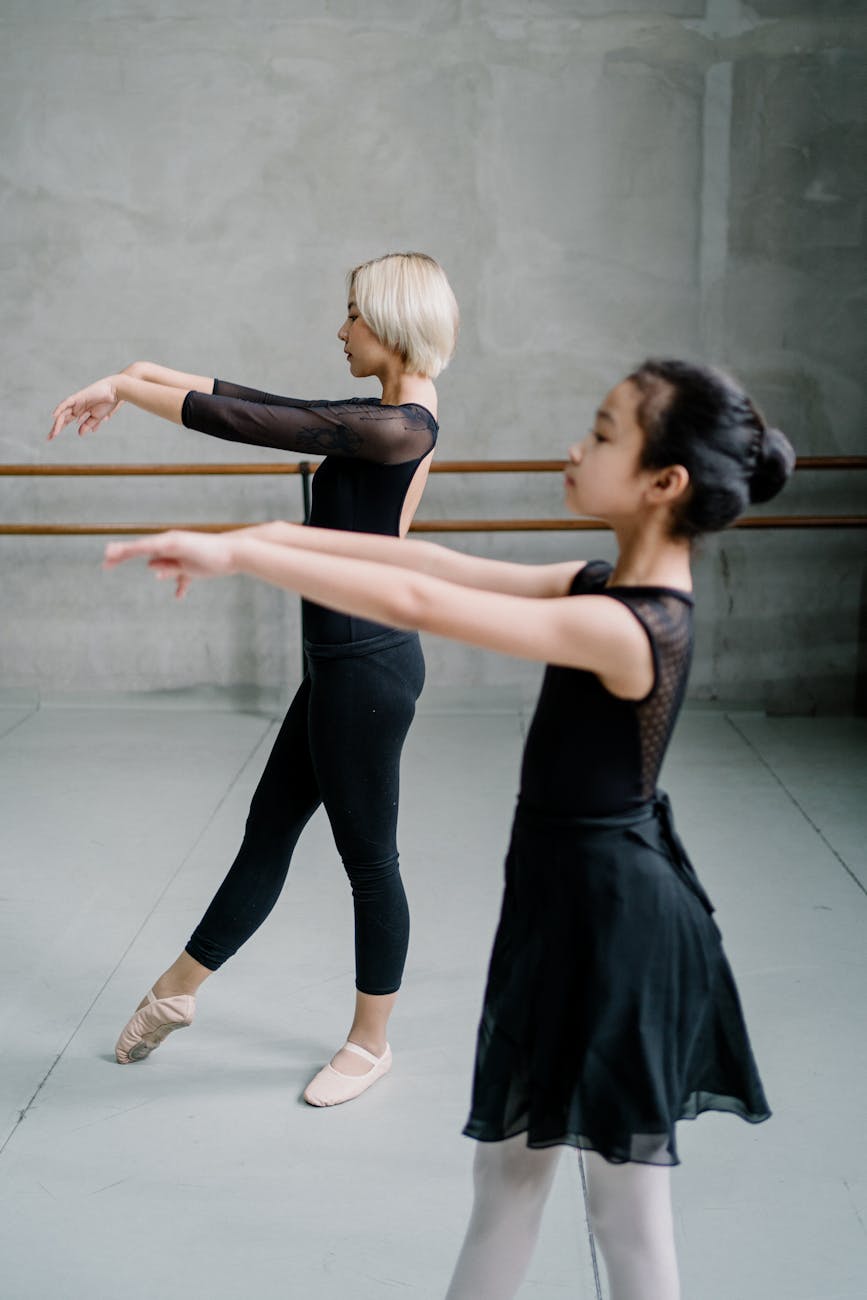
This combination of high ability, high creativity, and greater behavioral issues in the high-ability, LD student group led to further research on the effect of a positive or “strengths-based” approach for them. To this end, with the support of a Javits grant, the Talent Beyond Words project provided a creative arts-focused education for underperforming, creatively gifted students. Allowing the students to study and excel in their area of creative strength positively carried over into their other studies:
Results indicated that the process of artistic development bolstered their abilities, skills, and confidence. The students emerged with a sense of purpose, poise, independence, and determination that carried over into their academic and personal lives (Oreck, Baum, & McCartney, 2000). – – Baum et. al, 2017. To Be Gifted and Learning Disabled. p. 55.
Another key finding included the importance of professional mentorship. Students in the Talent Beyond Words project made the most progress when engaged in individual conversations with their professional mentors in the context of their developing work. This dialogue was framed in the authentic format of a “practicing professional” (p. 56), where the student and teacher sat together and shared a conversation about their specific progress rather than a lecture to the class as a whole. The authenticity, specificity, and attention created an environment of support and accountability for these students.
TAKEAWAYS:
- Survey your students to learn what they enjoy and where they excel. Integrate those strengths into class opportunities. (See 3 Keys post.)
- Make time for 1:1 conferences: Students thrive on the attention to their work and the feedback on their progress. Keep a notebook to reflect on conversations and recommendations that surface from the conferences.
- Reach out to community mentors: How can you connect that student to a practicing professional? I have made connections with State representatives, business owners, athletes, and the Nature Conservancy for my students to email questions and have online Google meetups to learn more.
SOURCES
Baum, S.M., Schader, R.M., & Owen, S.V. (2017). To Be Gifted & Learning Disabled: Strength-Based Strategies for Helping Twice-Exceptional Students with LD, ADHD, ASD, and More. Routledge.
 Gifted Weekly